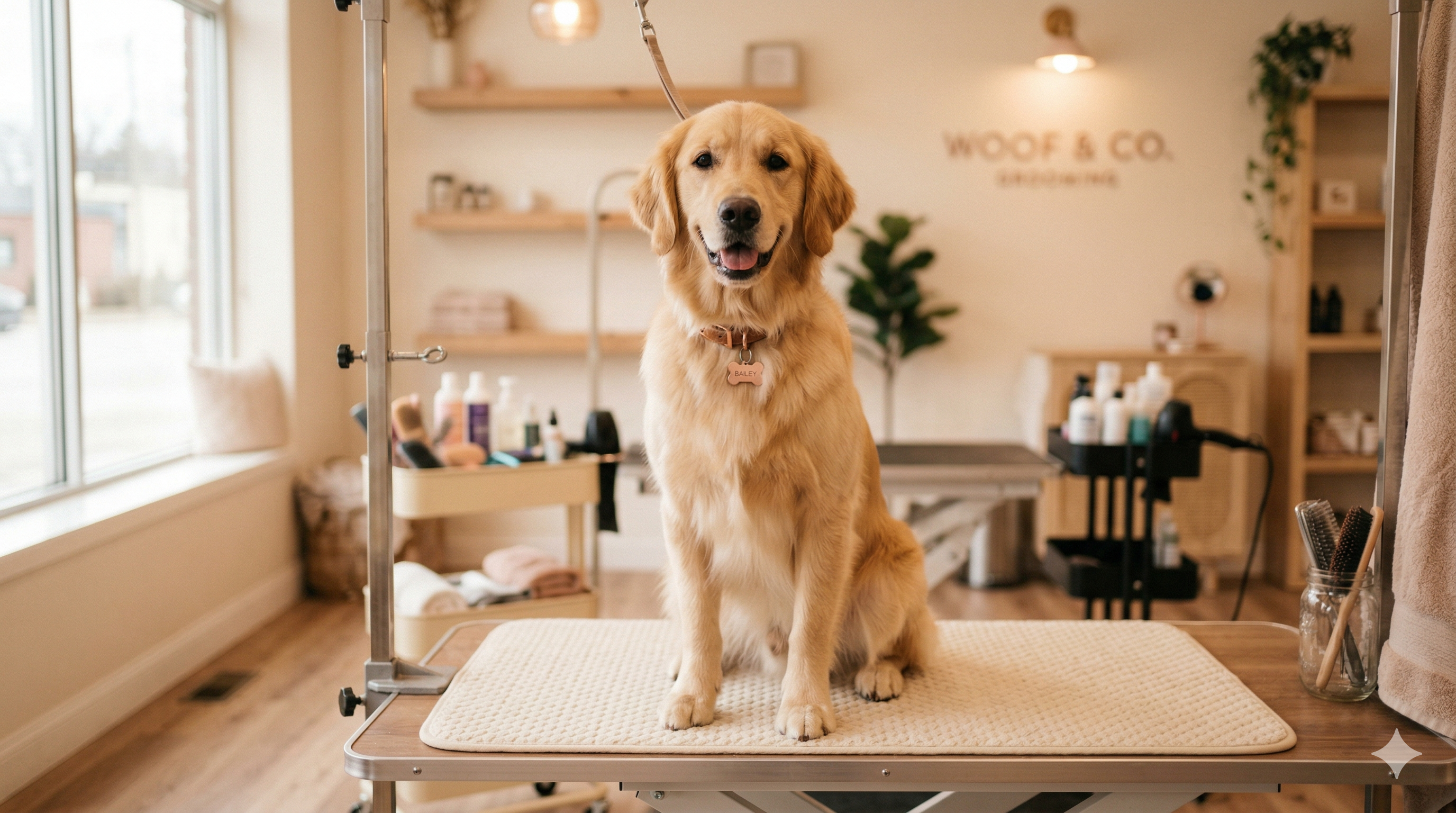
One of the most common questions I get asked is, "How often should I groom my dog?" The honest answer is: it depends. Grooming frequency varies significantly based on your dog's coat type, lifestyle, age, and health. In my years as a professional groomer, I've learned that there's no one-size-fits-all approach – but I can absolutely guide you through finding the right schedule for your furry friend.
Understanding Your Dog's Coat Type
The most important factor in determining grooming frequency is your dog's coat type. Each coat type has different needs and maintenance requirements.
Smooth Coats
Dogs with smooth, short coats like Beagles, Boxers, and Weimaraners generally require the least maintenance. These breeds benefit from professional grooming every 8-12 weeks, though they still need regular brushing at home (ideally twice a week) to manage loose hair and keep their skin healthy. A quick bath and nail trim during professional visits keeps them looking and feeling their best.
Double Coats
Double-coated breeds such as Golden Retrievers, German Shepherds, and Huskies need more frequent attention. I recommend professional grooming every 6-8 weeks, combined with weekly brushing at home. These coats have an undercoat that sheds considerably, and professional grooming helps remove this loose hair before it ends up on your furniture. During shedding season (usually spring and autumn), you might consider more frequent visits – sometimes every 4-6 weeks – to manage the heavy hair loss.
Curly and Wool-Type Coats
Poodles, Doodles, and other curly-coated breeds need professional grooming every 4-6 weeks. These coats are prone to matting, especially around the ears, armpits, and rear end. Without regular professional attention, mats can become painful and lead to skin issues. I cannot stress enough how important it is to maintain a consistent grooming schedule for these breeds – waiting too long between appointments can make grooming uncomfortable for your dog and costly for you.
Pro Tip: Curly coats should never be shampooed without being brushed first. Shampooing matted hair only tightens the knots, making them nearly impossible to remove without causing your dog discomfort.
Wire and Rough Coats
Terriers and other wire-coated breeds benefit from professional grooming every 6-8 weeks. Their coats require hand-stripping or clipping to maintain the proper texture and appearance. Regular grooming keeps these coats healthy and prevents them from becoming dull or uncomfortable.
Long and Silky Coats
Afghan Hounds, Maltese, and similar breeds with long, flowing coats need professional grooming every 4-8 weeks, depending on the dog's lifestyle and how much time you can dedicate to home maintenance. These beautifully long coats require significant daily brushing – at least 15-20 minutes – to prevent matting. Many owners find that regular professional grooming, combined with diligent home care, helps keep their dog's coat manageable and stunning.
Other Factors That Affect Grooming Frequency
Beyond coat type, several other factors influence how often your dog should visit a professional groomer.
Lifestyle and Activity Level
A dog that spends most of their time indoors will need less frequent grooming than an outdoor adventurer. If your dog loves rolling in mud, swimming, or exploring fields, they'll benefit from more regular grooming to keep their coat clean and healthy. Active dogs also tend to get more tangles and matting, especially if they have longer coats.
Age
Puppies need their first groom around 12 weeks old, mainly for familiarisation and nail care. Senior dogs (over 8 years) often appreciate more frequent but gentler grooming sessions, as their skin becomes more sensitive and their coats change with age. I always discuss the best approach for senior dogs with their owners, as comfort is paramount.
Health Conditions
Dogs with skin allergies, infections, or other health issues may need more frequent or specialised grooming. If your dog has skin problems, consult your vet and your groomer – we can work together to develop a grooming routine that supports your dog's health rather than exacerbating issues.
Seasonal Changes
Shedding season typically occurs in spring and autumn. During these periods, more frequent grooming – even if it's just a professional bath and blow-dry – helps manage loose hair and keeps your dog comfortable. Some owners increase grooming from every 8 weeks to every 6 weeks during these seasons.
Grooming Frequency by Breed (Quick Reference)
| Coat Type / Breed Examples | Recommended Frequency | Home Brushing |
|---|---|---|
| Smooth (Beagle, Boxer) | Every 8-12 weeks | 2-3 times/week |
| Double (Golden, Husky) | Every 6-8 weeks | 3-4 times/week |
| Curly (Poodle, Doodle) | Every 4-6 weeks | Daily |
| Wire (Terriers) | Every 6-8 weeks | 2-3 times/week |
| Long/Silky (Maltese, Afghan) | Every 4-8 weeks | Daily |
The Importance of Home Maintenance
Professional grooming is just part of the equation. What you do at home between appointments makes an enormous difference. Regular brushing prevents matting, reduces shedding, keeps your dog's skin healthy, and strengthens your bond. It's also where you can catch potential problems early – lumps, skin issues, or ear infections – that your vet should know about.
Think of professional grooming as a partnership. I handle the detailed work – the bathing, styling, nail care, and ear cleaning – but you maintain that between visits through regular brushing and keeping your dog clean.
What Happens When Grooming is Neglected
When grooming frequency is stretched too long, several issues can develop:
- Matting and tangling: Especially in curly and long-haired breeds, this becomes painful and uncomfortable
- Ear infections: Without regular cleaning, trapped moisture and debris can lead to painful infections
- Overgrown nails: Long nails can cause joint pain and affect your dog's gait
- Skin problems: Dirt, oils, and bacteria build-up can irritate the skin
- Anal gland issues: When not expressed regularly, anal glands can become impacted and uncomfortable
Creating Your Dog's Grooming Schedule
Here's how I recommend approaching this:
- Identify your dog's coat type
- Consider their lifestyle and activity level
- Factor in your commitment to home brushing
- Consult with a professional groomer who knows your dog
- Start with a regular schedule and adjust as needed
Every dog is unique, and what works for one dog might not work for another. A good professional groomer will discuss your dog's individual needs and help you create a schedule that keeps them healthy, comfortable, and looking great.
Ready to Give Your Dog the Care They Deserve?
Whether it's your dog's first professional groom or they need to get back on a regular schedule, I'm here to help. Every dog is treated with love and care at The Grooming Boutique – no rushing, no cages, just a focus on your dog's wellbeing and comfort.
Book Your Dog's Groom TodayFinal Thoughts
The question "How often should I groom my dog?" is really asking "How can I keep my dog healthy and happy?" Regular grooming is about more than appearance – it's about comfort, health, and bonding with your beloved pet. By understanding your dog's needs and maintaining a consistent grooming schedule, you're investing in their wellbeing for years to come.
If you're unsure whether your current grooming schedule is right for your dog, don't hesitate to reach out. I'm always happy to chat about what's best for your individual pup.